
Fractal Noise 3D is a GPU‑accelerated After Effects plugin that creates a true 3D volumetric noise field for clouds, fog and atmospheric effects, fully lit by AE lights and traversed by AE cameras.
Developed by CROSSPHERE .Koizumi.
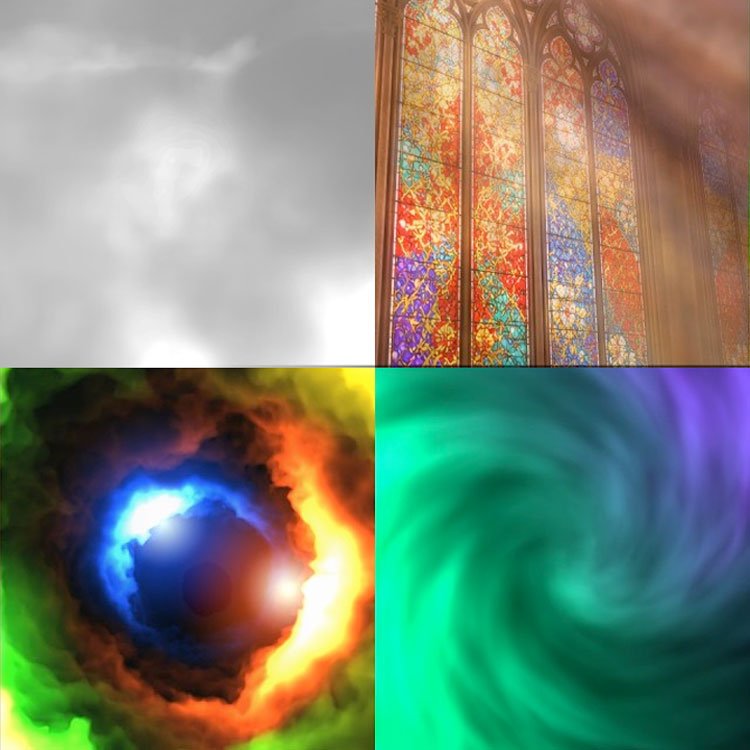
About Fractal Noise 3D
Fractal Noise 3D builds an authentic 3D noise volume that the After Effects camera can move through, allowing point, spot, directional and ambient lights to illuminate clouds, fog, and atmospheric effects inside AE without external 3D software. The volume can be shaped as a Box, Sphere, Sphere2 or Cylinder, and Version 2 adds Domain Warp with Twist and Vortex modes for flowing detail. Any 3D layer can act as an obstacle, casting shadows or transmitting light for god‑ray effects, and Depth Map compositing lets grayscale depth renders from other applications blend with the volume. Rendering uses Metal, CUDA or OpenCL with Multi‑Frame Rendering and supports 8, 16 and 32 bpc color depths. The plugin runs on After Effects 2020‑2026 on Windows 10 (64‑bit) and macOS 11 or later, including Apple Silicon.
Features
- True 3D volumetric noise field that the After Effects camera moves through, rather than depth simulated on a flat layer
- Integrates with After Effects point, spot, directional, and ambient lights
- Multiple geometry types including Box, Sphere, Sphere2, and Cylinder
- Domain Warp deforms noise sampling coordinates with Twist and Vortex modes (Version 2)
- Obstacle Layers let any 3D layer cast shadows or transmit light for backlit translucency and god-ray effects
- Depth Map compositing imports grayscale depth renders from any 3D application
- GPU-accelerated via Metal, CUDA, and OpenCL, with Multi-Frame Rendering and 8, 16, and 32 bpc color depths
Best for
Creating volumetric clouds, fog, and atmospheric effects directly in After Effects and integrating them with external CG renders or live footage via depth maps.
Frequently asked questions
Which After Effects versions does Fractal Noise 3D support?
Fractal Noise 3D supports Adobe After Effects versions 2020 through 2026 on both Windows and macOS. Windows requires 10 or later (64‑bit) and macOS requires 11 (Big Sur) or later, including Apple Silicon.
What GPU does Fractal Noise 3D need?
The plugin uses GPU acceleration via Metal on Apple Silicon, CUDA on NVIDIA GPUs (GTX 970/980 series or later, including GTX 10xx, RTX 20xx‑40xx), and OpenCL on AMD and Intel GPUs. Enable Mercury Playback Engine GPU Acceleration in After Effects for best performance.
Is Fractal Noise 3D free?
The catalog lists Fractal Noise 3D as free. Licensing details are provided by the developer, and a free trial is available for compatibility testing.
How does Fractal Noise 3D composite with external 3D renders?
Depth Map compositing lets you import a grayscale depth render from any 3D application, allowing foreground geometry to occlude or be enveloped by the volumetric field. Additionally, any 3D layer can be set as an Obstacle Layer to cast shadows or transmit light within the volume.
What’s new in Version 2 of Fractal Noise 3D?
Version 2 adds modern GPU support across CUDA, OpenCL and Metal, introduces Cylinder and Sphere2 geometry options, and includes the Domain Warp feature with Twist and Vortex modes for dynamic, flowing noise distortion.
Related plugins
Explore Fractal Noise 3D
View download and installation options.